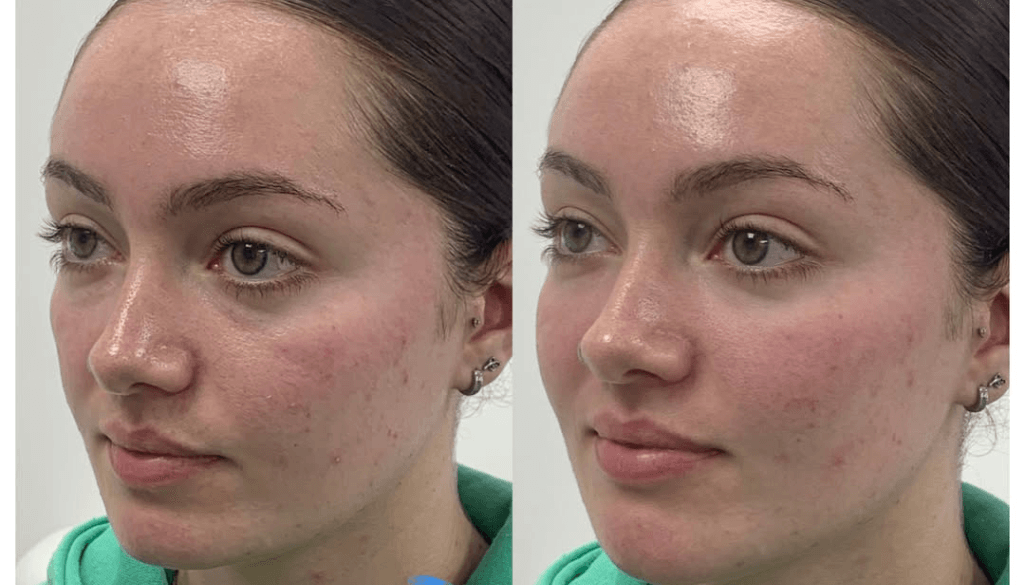
Hollow eyes and dark circles, despite a full 8 hours’ sleep and a healthy diet? Fillers may help address the issue, but tear trough filler side effects come in handy just like any other cosmetic treatment.
Whether you’re already scheduled or just browsing, it’s helpful to be aware of the potential side effects of tear trough filler. Not to frighten you—just to keep you informed. Because on your face, no surprises are a good thing.
This blog guides you through the potential side effects of tear trough fillers, enabling you to recognise and prevent them, as well as take proper care after the session.
Here are the Common Tear Trough Filler Side Effects
Wondering what can go wrong with tear trough fillers? Let’s begin with the ones most people will go through — the ones that are integral to the healing process.
Swelling and Puffiness
Some puffiness is totally normal after under-eye fillers. It typically occurs within the first few hours and can persist for a few days. It’s your body responding to something new being introduced under the skin.
What helps?
- Ice packs (wrapped in a cloth) for short bursts
- Sleeping with your head slightly elevated
- Keeping salty foods that tend to retain water at bay
Swelling typically peaks at 48 hours and then gradually subsides. If it persists beyond day three, please consult with your clinic. Read in detail about tear trough filler swelling stages.

Book your personalised consultation at AMS Aesthetics.
- Leading London clinic for bespoke and luxury treatments
- Over 1,000 glowing client reviews and award-winning service
- Expertly designed treatment plans to match your aesthetic goals
Bruising
The area beneath the eyes is delicate and prone to bruising, even for the most experienced injectors.
You may notice a tiny purple spot or light discolouration that may last up to seven days.
What may help you with bruising?
- Concealer is amazing (wait 24 hours to apply makeup).
- Arnica cream or gel will also hasten healing.
If bruising is extreme, spreads quickly, or is painful, don’t disregard it. It may be something serious — more on that later.
Tenderness or Mild Pain
You might find yourself a little sore or tender near the injection area, particularly if a needle (as opposed to a cannula) has been used. It’s a bit like a small internal bruise — frustrating but not dangerous.
How to manage pain?
- Paracetamol (not ibuprofen) is the best medication for softening any discomfort—ask your doctor before using.
- Do not press or rub the area unless your healthcare practitioner instructs you to do so.
Uneven Results (At First)
Immediately after treatment, your eyes may appear to be slightly lopsided. One side can swell more, or the filler can settle unevenly. That’s why the majority of clinics book a check-up two weeks later— it allows time for everything to settle in correctly.
Now, let’s talk about less common but correctable side effects of tear trough fillers. These don’t occur to everybody, but in case they do, your clinic should be able to sort them out quickly.
Lumps or Bumps Under the Skin
This may be due to the way the filler was injected, or from swelling pushing against the product. Some resolve themselves after a few days, and others can be treated with a light massage. If they do not resolve, it may be a sign of tear trough fillers gone wrong.
But don’t try to fix it yourself — talk to your injector first. If it doesn’t get better, a tiny dose of dissolver (hyaluronidase) will smooth it out.
Tyndall Effect (Bluish Tint Under the Eyes)
If the filler is injected too superficially, it will cause the skin to reflect light in an unusual manner, imparting a bluish-grey hue under the eyes. This is referred to as the Tyndall effect.
It’s not harmful, but it’s not a look that most individuals desire. The bright side? It can be dissolved with hyaluronidase.
Here comes uncommon but serious tear trough filler complications. Fortunately, they are extremely unusual. But they can occur, and you should recognise the warning signs.
Vascular Occlusion (Blocked Blood Vessel)
Should filler inadvertently go into a blood vessel, it can cause a blockage of blood flow. This is a medical emergency.
Be aware of:
- Sudden pain that becomes more intense
- Skin that becomes pale, white, or blotchy
- Blisters or numbness
If this occurs, act immediately. Head straight to your injector or emergency clinic, where they will be able to dissolve the filler and reestablish blood flow.
Infection
Although unlikely, infections can occur after any skin treatment. If your treated area gets hot, red, swollen, and painful — or if you have a temperature — it’s best to call your clinic or GP.
Immediate treatment with antibiotics will resolve it.
What to Do If You Realise Something’s Off
Don’t panic — but don’t ignore your intuition either. If your swelling feels excessive, your pain is stabbing or worsening, or your under-eye area appears unusual, contact your practitioner.
UK clinics typically provide follow-up appointments within 1–2 weeks and will guide you through the next steps. Whether that’s reassurance, a minor adjustment, or dissolving the filler, assistance is at hand.
5 Quick Tips to Prevent Side Effects from Tear Trough Fillers
Want to streamline your recovery? Here’s what a lot of UK practitioners advise:
- Consult an expert aesthetic practitioner.
- Attend the pre-treatment consultation and ask all the queries you might have.
- Avoid ibuprofen and alcohol 24 hours prior to your session.
- Avoid heavy workouts for 48 hours after.
- Sleep with your back raised slightly.
- Avoid putting makeup close to the area for at least 24 hours.
- Avoid facials, steam rooms, and saunas for 48 hours.
Conclusion: Tear Trough Fillers are Safe When Done Right
The majority of side effects from tear trough filler are temporary and easily manageable. Selecting an experienced medical practitioner and the correct aftercare can be the key.
Executed correctly, the outcome is subtle, natural, and confidence-enhancing.
Need natural-looking under-eyes without the theatrics? Consult with one of our experienced UK aesthetic practitioners today for tear trough fillers in London— and let your eyes speak for themselves.
FAQs
1. Is under-eye filler risky?
It’s mostly safe when done by a trained professional, but there are some risks like swelling, bruising, or rare complications.
2. How long do tear trough fillers last?
They usually last 6 to 12 months, depending on your body and the filler used.
3. Who is not suitable for tear trough filler?
Anyone pregnant, breastfeeding, prone to allergies, or with blood vessel issues under the eyes.
4. Do eyes look worse after tear trough filler?
If done poorly, yes — they can look puffy or uneven. In skilled hands, results should look natural and refreshed.