Noticing an uneven jawline, where one side may look bigger, longer, or positioned differently? A little difference in our faces is normal; sometimes this unevenness may become more obvious or uncomfortable. It can affect not just how you look but also how you bite, chew, or even speak. Understanding why your jawline might be uneven and knowing what to do about it is the first step to feeling confident and comfortable again. In this blog, we’ll explain the causes, symptoms, and the best ways to fix an uneven jawline.
What Is an Uneven Jawline?
An uneven jawline simply means your jaw is not even on both sides. One may be larger, longer, pointier or pushed forward more than the other. Your chin may not be in the centre of your face, or your jaw angles may appear to be different when viewed from the front or side.
We all have a slight natural asymmetry in our faces; nobody is perfectly symmetrical. However, if it becomes too obvious or bothers you, it may be due to jaw misalignment. This is when the upper and lower jaws aren’t aligning correctly.
An uneven jawline may influence more than your looks. It can alter the way you bite, speak, chew or even breathe. In other cases, it could be associated with jaw joint problems or previous injuries. Recognising what’s normal and what’s not is the starting point towards seeking assistance.
What are the Symptoms of an Uneven Jaw?
Here are some of the symptoms you may have noticed if your jawline is uneven.
Clicking or Popping
You may hear clicks or pops when opening or closing your mouth. This may indicate that your jaw joint isn’t sliding smoothly.
Stiffness or Pain
You might experience stiffness in your jaw muscles, particularly after eating or speaking a great deal. The pain is sometimes transferred to your cheeks or down into your neck.
Headaches or Earaches
The jaw pain can travel up into your temples or around your ears. A few experience even feeling ear infections, yet it’s actually their jaw producing the ache.
Trouble Chewing
You might chew on one side primarily because the other is sore or more sensitive. This can lead to more tension and make the jaw even more uneven in the long run.
Jaw Locking
Occasionally, your mouth may feel stuck or difficult to open very wide. This can be frightening and painful. It’s usually associated with joint problems.
Crooked Smile or Tilted Chin
Your smile in the mirror might not look even. Your chin is tilted somewhat to one side. This could mean that your jaw bones are out of position.

Book your personalised consultation at AMS Aesthetics.
- Leading London clinic for bespoke and luxury treatments
- Over 1,000 glowing client reviews and award-winning service
- Expertly designed treatment plans to match your aesthetic goals
These symptoms indicate that the jaw isn’t functioning as it should. They shouldn’t be overlooked. Early intervention can prevent the issue from getting severe.
What Causes an Asymmetrical Jawline?
Wondering why my jaw is not symmetrical? There isn’t just one cause. Your jawline shape can be affected by many things, some of which are natural, and others are due to habits, injury, or health issues.
Dental Issues
If your teeth don’t line up properly, they can push your jaw out of place over time. This includes problems like:
- Crooked or crowded teeth
- Overbite or underbite
- Missing teeth that shift your bite
- Grinding or clenching your teeth at night
These problems can gradually alter the way your jaw aligns, causing one side to look more pointed or prominent.
Tamporo-Mandibular Disorders
TMJ is short for temporomandibular joint, which is the joint that holds your jaw to your skull. If this joint gets inflamed or stressed, it can lead to:
- Jaw clicking or popping
- Jaw locking or stiffness
- Facial pain or headaches
- Changes in how your jaw moves
If one side of your TMJ is not functioning properly, it makes your jaw shift or become uneven.
Injury or Trauma
Any previous trauma to your jaw, head, or face can create long-term changes in shape. Even if you did not fracture a bone, punches, falls, or dental injuries can keep the jaw joints or muscles out of balance. The damage may be so minor that you won’t realise it later.
Injury and trauma may also lead to an asymmetrical face.
Asymmetrical Growth or Genetics
In others, the jaw bones merely grow differently or at varying rates and angles in childhood and teenage years. This may be caused by:
- Genetics from family.
- Puberty hormonal fluctuations.
- Variations in how the bones and muscles develop.
Some individuals develop naturally stronger or longer jaw muscles on one side.
Age-Related Changes
As you get older, your bones change, and fat in your face moves around. This can make small changes in your jaw easier to see. You might also lose bone, and your skin might sag, making your jawline look less even than when you were younger.
Sleeping and Posture Habits
Resting your chin on your hand, slumping your head forward, or always sleeping on the same side of your face can put long-term pressure on your jaw. Eventually, this causes muscle tension and uneven growth or tension in the face.
Chewing on One Side
With this habit of chewing food on one side, the jaw on that side may be built up or stiff. Because of this, it looks thicker or more prominent compared to the other side.
How to Tell If You Have an Uneven Jawline?
Not quite sure if your jawline is uneven? Try these simple steps at home:
- Look in the mirror: Stand up, bring your face forward, and stare at your chin. Is it centred or slightly tilted to one side?
- Smile naturally: Does your smile curve both sides up equally, or is one side higher or fuller?
- Feel your jawline: Place your fingers along the rim of your jaw and press gently. Is one side more angled or more curved?
- Bite gently: Do your teeth align well, or does your bite feel unusual or tilted?
How Do the Experts Diagnose an Asymmetric Jaw?
Face & Jaw Check (Visual Examination)
Your specialist will carefully look at your face from the front and the sides. They’ll check if one side of your jaw or chin looks higher or lower than the other. They’ll also look at your smile, lip movement, and overall symmetry.
Bite Analysis
You’ll be asked to bite down gently. This helps the expert see how your top and bottom teeth come together. If the bite is not lining up properly, it can be a clue that your jaw is not balanced.
Jaw Movement Test
Next, they’ll ask you to open and close your mouth slowly. They’ll watch how smoothly your jaw moves and whether there are any sounds like popping or clicking. These movements can reveal if the joints (called TMJ) are working as they should.
Full Jaw Functional Assessment
In some cases, you may be referred to a specialist who can do deeper checks, like measuring how strong your bite is, how tight your jaw muscles feel, or how your jaw sits when you’re fully relaxed.
Imaging Scans
To get a better look inside, your doctor might do an X-ray, a CT scan, or a 3D scan. These images help show if the bones, teeth, or jaw joints are out of place. Imaging also helps find any hidden issues that can’t be seen from the outside.
Can an Uneven Jawline Be Fixed?
Yes, an uneven jawline can absolutely be fixed; however, the right fix depends on the cause of asymmetry, whether it’s due to jaw joint issues, muscle tension, or just by birth.
Some people may need medical treatment to improve comfort or function, while others simply want to enhance their appearance. In both cases, there are effective solutions that can restore balance and help you feel more confident in your face.
How Do You Fix an Uneven Jaw When There Is No Medical Cause?
If your jaw is uneven, but you do not feel any pain or bite problems, it’s just about achieving better facial harmony and a more defined look. These fixes may help:
Butterfly Effect Treatment
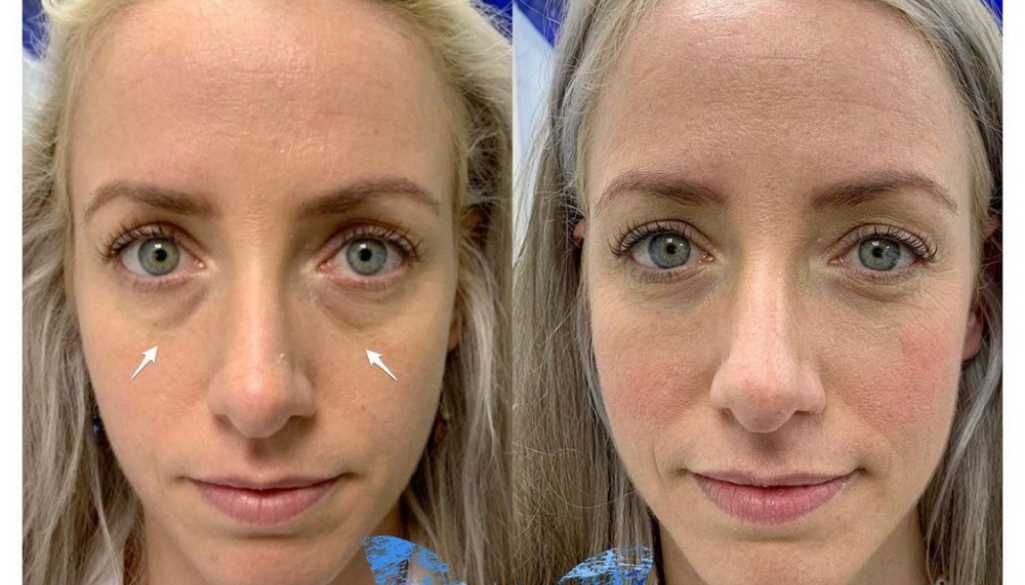
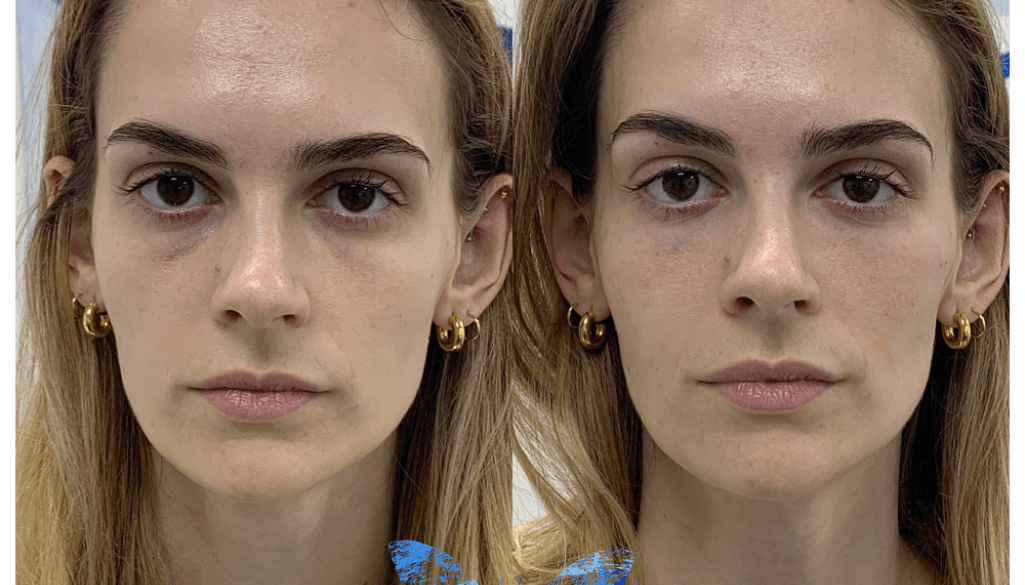
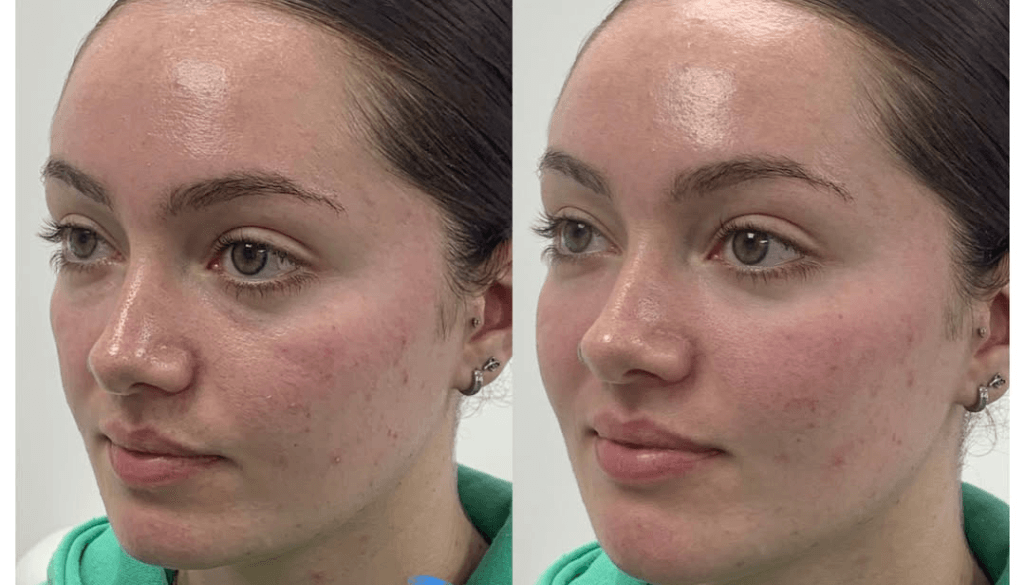
Full Face Rejuvenation is a popular combination of anti-wrinkle injections and dermal fillers used to create a well-balanced face. It’s not just about making a V-shaped jawline, but to bring symmetry from every angle: front, side, and even while you smile. The treatment softly lifts and balances the cheeks, chin, and jaw together. It’s ideal if you want overall harmony, not just a sharper jaw.
Masseter Reduction
Sometimes, one side of your jaw appears bulkier due to overactive masseter muscles. With masseter reduction, injectables are used to reduce the size of this muscle, especially if you grind your teeth. Over a few weeks, the lower face softens and becomes more balanced in shape.
Dermal Fillers
Dermal Fillers are an excellent choice if one side of your jaw looks less defined or lacks volume. Aesthetic practitioners use hyaluronic acid fillers to sculpt the jawline or your chin, adding structure where needed. It offers instant jawline contouring and a balanced appearance, especially from a front or side profile.
Jaw or Chin Implants
Jaw or chin implants may be ideal if your jawline looks uneven due to weak or unbalanced bone structure. A chin implant adds symmetry and strengthens a small or uneven chin, while jaw implants improve the shape and balance of the lower face. These are permanent options for those wanting better facial harmony.
How To Fix an Asymmetrical Jawline When There is a Medical Cause?
These treatments help when the jaw is uneven due to health reasons like jaw joint problems, bone growth issues, or bite misalignment.
Orthodontics (Braces or Aligners)
They can also straighten your jaw by straightening your teeth. When your bite is corrected, your jaw has a better place to sit.
- Braces or clear aligners slowly move your teeth over time.
- As your teeth come into more optimal positions, your jaw can follow.
- It’s not a fast fix, but it’s a solid, long-term solution.
Many people notice both cosmetic and comfort benefits from this option.
Jaw Surgery (Orthognathic Surgery)
This is for the more severe jaw issues where the bones have to be repositioned. A specialist performs it, and it might be necessary when:
- The top and bottom jaws don’t meet properly.
- The uneven jaw causes daily pain or affects eating and speaking.
TMJ Therapy
If your jaw alignment issue is connected with joint issues (referred to as the temporomandibular joint, or TMJ), this form of therapy might be helpful. Choices include:
- Custom bite guards: They are mouthpieces that are custom-made for you. You sleep with them to prevent grinding and allow your jaw to relax.
- Physical therapy or jaw stretches: Specific exercises can strengthen the muscles of the jaw and balance them out.
- Anti-inflammatory medications: These alleviate swelling and pain in the jaw region.
- Botox for a tense jaw: Botox is also used for appearance, but it relaxes the tight jaw muscles and eases the pain of clenching, too.
At-Home, Easy Tips to Fix an Asymmetrical Jawline
Making some slight adjustments to your routine can relieve jaw aches and prevent them from getting severe. Here’s what you can do at home:
Try Chewing on Both Sides
Avoid chewing on one side; instead, chew on both sides. When you use both sides evenly, it keeps your jaw joints working in balance. Over time, this small habit can stop one side from getting overused or tired.
Watch your Posture
Be careful not to rest your chin in your hand while sitting or slouch when standing. These habits might seem harmless, but they can put pressure on one side of your jaw. Instead, sit up straight, keep your head level, and let your shoulders stay relaxed.
Try Jaw Exercises
Some gentle jaw movements can help stretch and strengthen your jaw muscles. A physical therapist or jaw specialist can teach you simple exercises that may improve balance and reduce any stiffness or discomfort in your jaw.
Sleep on your Back
Sleeping on one side of your face every night puts extra pressure on that side of the jaw. Try to sleep on your back with your head supported evenly. This can help prevent the jaw from shifting more to one side over time.
While home remedies won’t solve everything, they can aid in treatment and make you more comfortable daily.
When To Consult an Expert for Jawline Asymmetry?
You can always consult an expert if:
- There is pain in your jaw or face.
- You struggle to chew or bite properly.
- Your jaw makes popping or clicking sounds.
- You have noticed a sudden asymmetry in your jaw.
- The appearance of an uneven jaw is affecting your confidence or daily life.
- You’re unsure what’s causing it and want answers.
Consulting an expert may help you find the underlying cause and proper course of treatment to solve your issues.
Final Words
An uneven jawline is quite common and can happen for many reasons, from natural growth to habits or injuries. The good news is that there are many ways to fix it, whether you want to ease pain or simply improve your facial appearance. Simple changes at home can help, and there are also treatments ranging from gentle fillers to surgery if needed.
The most important thing is to get a proper check-up if you have any pain or sudden changes.
If you want to fix an uneven jawline for cosmetic reasons, book a consultation at AMS Aesthetics
With the proper care, you can bring balance back to your jawline and enjoy a more confident smile.
FAQs
1. Why is my jawline more defined on one side?
You might be using one side more when chewing or sleeping, which makes it more active or firm.
2. Why is my jaw suddenly uneven?
It could be from an injury, swelling, tooth problem, or how you’ve been using your jaw.
3. Can I realign my jaw myself?
No, it’s best to see a professional. Trying to fix it on your own can make it worse.
4. How common is jawline asymmetry?
Very common. Most people have slight differences between the two sides of their faces.