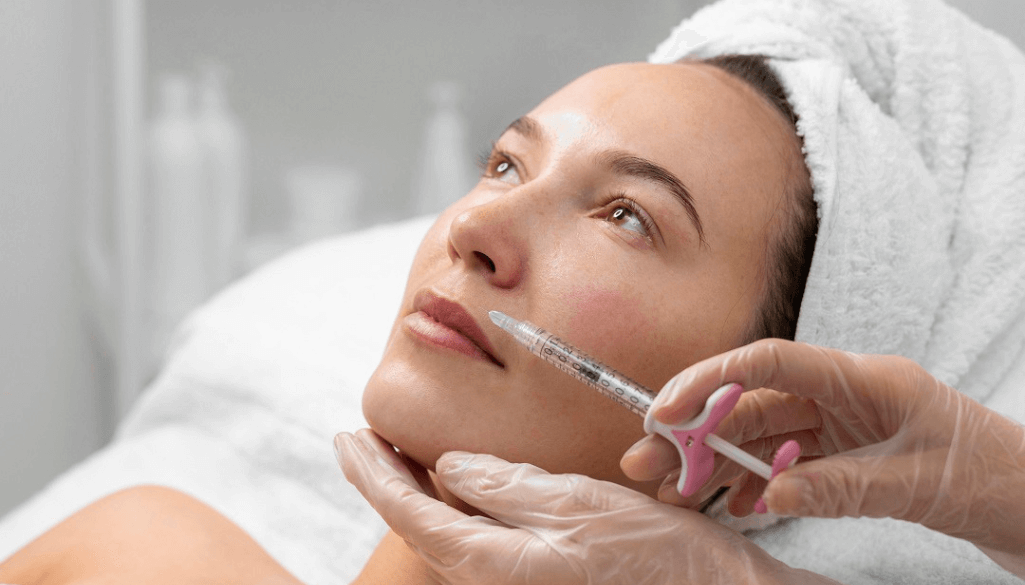
You’ve just had your dermal fillers done, now what?
It’s an exciting time when you are waiting to see the final results of fillers; however, proper dermal filler aftercare is essential to bring those desired results.
Aftercare is all about helping the filler settle properly, minimising side effects, and ensuring you get the longest-lasting, most natural-looking results possible.
In this guide, we’ll walk you through everything you need to know about dermal filler aftercare, from the first few hours to long-term tips, so you feel confident, prepared, and glowing.
Why Proper Dermal Filler Aftercare Matters?
When you receive dermal fillers, small amounts of gel-like material are injected into the skin just below your own. This may result in a bit of trauma to your skin and underlying tissue, which must have time to recover.
Proper aftercare helps in:
- Minimising swelling and bruising: By avoiding some activities and using safe habits, you reduce your body’s response to the injections.
- Avoiding infection: Having clean skin and not touching or putting pressure on the area unnecessarily reduces the risk of bacteria entering the injection sites.
- Keeping fillers in place: The filler must remain in place for optimal results. Rubbing, pressure, or over-moving can result in shifting, which creates unevenness.
- Making your results last: Taking good care of your skin and health following treatment means your fillers will look even better for longer.
Now that you understand why it matters, let’s see how you can take care of yourself after getting dermal fillers.
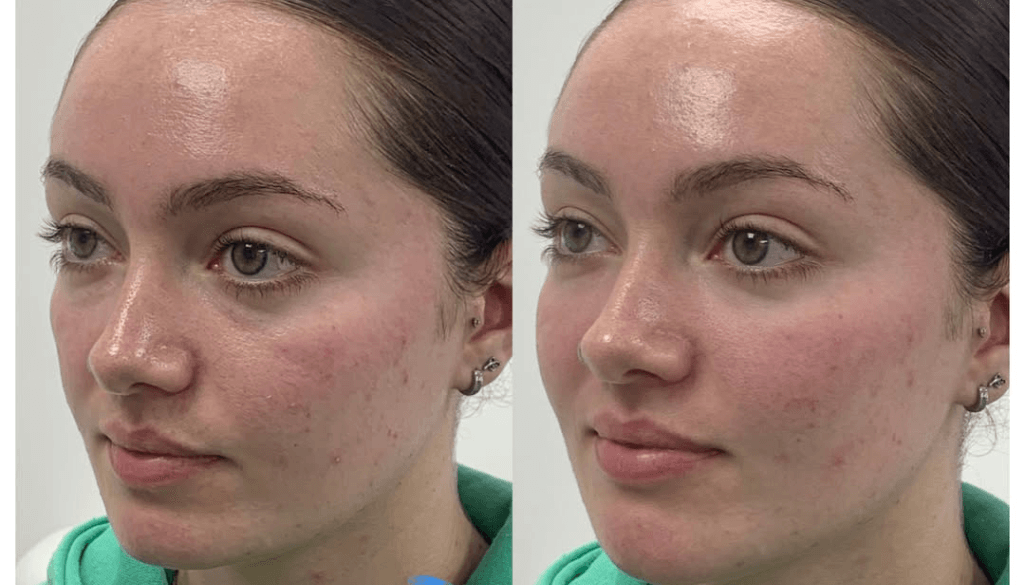
Check out what dermal fillers before and after transformations you may expect.

Book your personalised consultation at AMS Aesthetics.
- Leading London clinic for bespoke and luxury treatments
- Over 1,000 glowing client reviews and award-winning service
- Expertly designed treatment plans to match your aesthetic goals
First 0–6 Hours of Dermal Fillers Aftercare
Your skin is extremely sensitive in the initial hours following the injections, so careful handling is essential.
Stay Upright
Avoid lying down or bending over too quickly following your procedure; try to stay upright. Having your head higher than the rest of your body for a minimum of four hours minimises swelling and keeps the filler in place.
Avoid Touching the Area
Even though it’s tempting to feel or massage the treated spots, it’s vital to keep your hands away. Your skin is still healing, and any pressure can cause the filler to move from where it was injected. Also, touching your face increases the risk of transferring bacteria, which might lead to infections or irritation.
Keep the Area Clean
If you must wash your face, apply lukewarm water and a non-alcoholic, gentle cleanser. Handle your skin with care, patting it dry with a clean, soft towel (avoid rubbing). This avoids unnecessary irritation or injury.
Dermal Fillers After Care in 6- 24 Hours
The first day is when your skin needs to settle most.
Apply Cold Compress
Wrap an ice pack or cold compress in a soft cloth and gently hold it to the area for 5–10 minutes at a time. This helps with swelling and offers comfort. Always avoid direct ice contact.
Avoid Makeup
Makeup can clog pores with bacteria, particularly around injection sites. Not wearing makeup for 24 hours allows your skin to breathe and heal naturally.
Keep Pets Away From Your Face
Even though your pets are cute, their saliva and hair carry bacteria that could contaminate healing skin. Be careful not to come too close to pets near your face during this period.
Steer Clear of Alcohol
Alcohol dilates your blood vessels, which may enhance the possibility of bruising and swelling near the treated areas. It is advisable to abstain from alcohol for a minimum of 24 hours following your treatment.
Fillers Aftercare in Days 2–7
Your skin may remain sensitive, and some swelling or bruising may persist for a few days.
Keep Doing Cold Compresses
Keep using a cold compress covered with a soft cloth for 5–10 minutes a few times a day to ease swelling. Do not touch ice directly to your skin, as this can cause skin damage.
Avoid Heavy Exercise
Gym sessions, jogging, and other exercises that cause increased blood flow to your face will make swelling worse or shift the filler. Take light walks or do gentle stretching and avoid the gym or intense exercise for at least a few days.
Sleep on Your Back
Sleeping on your side or face down may cause pressure on treated areas, which can affect the filler placement. Try to sleep on your back with your head raised during the first week of treatment.
Avoid Sun & Heat Exposure
Intense sunlight, tanning beds, hot baths, and saunas may enhance redness and swelling. Keep your skin safe by staying out of the sun and applying a broad-spectrum sunscreen of at least SPF 30.
Practice Gentle Skincare
Make the change to mild, fragrance-free skincare products throughout your recovery time. Steer clear of active ingredients like retinol, alpha hydroxy acids (AHAs), beta hydroxy acids (BHAs), or any exfoliants which might irritate your skin.
Avoid Face Massage
Do not attempt to massage your face as it can cause pressure. Such pressure is likely to move the fillers and create lumps or asymmetry.
1 Week and Beyond Care for Dermal Fillers
At the end of week one, swelling and bruising should have vastly decreased. Your filler is settling into its definitive shape.
Inspect Your Results
Examine your face carefully to notice how the filler has settled. If it appears uneven, lumpy, or sore, make an appointment with your practitioner for a follow-up. Minor touch-ups may be required.
Keep Protecting From the Sun
Continue to use a daily sunscreen with an SPF of 30 or higher, even on cloudy days. UV rays degrade filler faster and lead to pigmentation or irritation in your skin.
Hydrate & Live a Healthy Lifestyle
Eat a balanced diet full of vitamins and antioxidants, while keeping yourself well-hydrated, as it helps the health of your skin and the longevity of your filler results.
Avoid Harsh Skin Treatments
Wait at least 2–4 weeks before having facials, chemical peels, microdermabrasion, or laser procedures unless otherwise instructed by your practitioner. These procedures can interfere with healing and influence filler placement.
When to Talk to Your Injector After Dermal Fillers
While complications are unusual, be on the lookout for warning signs:
- Severe, growing pain or tenderness that doesn’t get better.
- Discolouration, such as white, bluish, or dark patches on the skin.
- Long-term lumps or hard spots that don’t soften.
- Symptoms of infection include redness extending beyond treated regions, pus, or fever.
If you experience any of these, contact your practitioner right away. Early action will avoid severe problems and protect your results.
Final Remarks on Taking Care After Dermal Fillers
Aftercare with dermal filler is an essential aspect of your treatment process. Taking the time to follow these steps carefully ensures that your skin heals nicely and your results appear natural and will last longer. Everyone’s body heals differently, so be kind to your healing process.
Just remember, your best asset is your practitioner; don’t be afraid to query anything or get a follow-up if you’re not confident in any aspect of your recovery. A good aftercare will leave you with a fresh, youthful look and confidence.
If you want to have the best dermal filler treatment experience in London, book a consultation with AMS Aesthetics’ expert injectors. Let the professionals guide you through what’s best and how you may take care of it afterwards.
Your journey to a rejuvenated profile starts here!
FAQs
1. What not to do after dermal fillers?
Avoid rubbing your face, drinking alcohol, doing heavy workouts, sleeping face down, and applying makeup for the first 24 hours. Don’t expose your skin to too much heat or sunlight either.
2. What is the best aftercare for fillers?
Stay upright, avoid touching your face, use cold compresses, and stick to gentle skincare. Protect your skin from the sun and prevent any harsh treatments for a few weeks.
3. How long do dermal fillers take to settle?
Fillers usually start settling within a few days, but final results are visible after around 1–2 weeks once swelling and bruising subside.
4. How soon can I wash my face after dermal fillers?
You can wash your face gently after about 6 hours, but use lukewarm water and a very mild cleanser. Pat dry softly, no scrubbing or harsh towels.